 Nepal is a land of breathtaking contrasts.
Rising from the subtropical plains of the Terai to the summit of Mount Everest (8,848.86 meters), the highest point on Earth, Nepal contains extraordinary geographic and cultural diversity within a country smaller than many U.S. states. It is home to eight of the world’s fourteen highest mountains, while its lowest elevation lies just around 60 meters above sea level.
Despite its natural beauty, Nepal continues to face deep development challenges. Classified as a least developed country, Nepal has made progress in recent years, yet around one in five people still live below the national poverty line, and many more remain vulnerable to economic shocks, climate disasters, and inequality. Poverty is especially concentrated among children, rural communities, marginalized ethnic groups, and those living in remote mountain regions.
Although Nepal’s 2006 Comprehensive Peace Accord promised equality, justice, and inclusion, many commitments remain unfulfilled. Structural discrimination, limited access to education and healthcare, and unresolved human rights issues continue to affect large segments of the population. Unequal distribution of resources and limited accountability have slowed inclusive development, leaving many children excluded from basic opportunities.
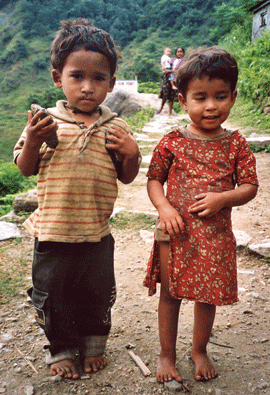
Children are among the most affected.
Economic hardship, lack of awareness, geographic isolation, and recurring natural disasters—such as earthquakes, floods, and landslides—continue to prevent thousands of children from attending school and reaching their full potential.
Helping Friends Nepal (HFN) is dedicated to changing this reality.
HFN works to create a supportive community environment where disadvantaged children can access education and essential resources. By addressing economic barriers, raising public awareness, and supporting families in vulnerable regions, HFN helps children build brighter, more secure futures—where opportunity is not determined by birth or geography.